
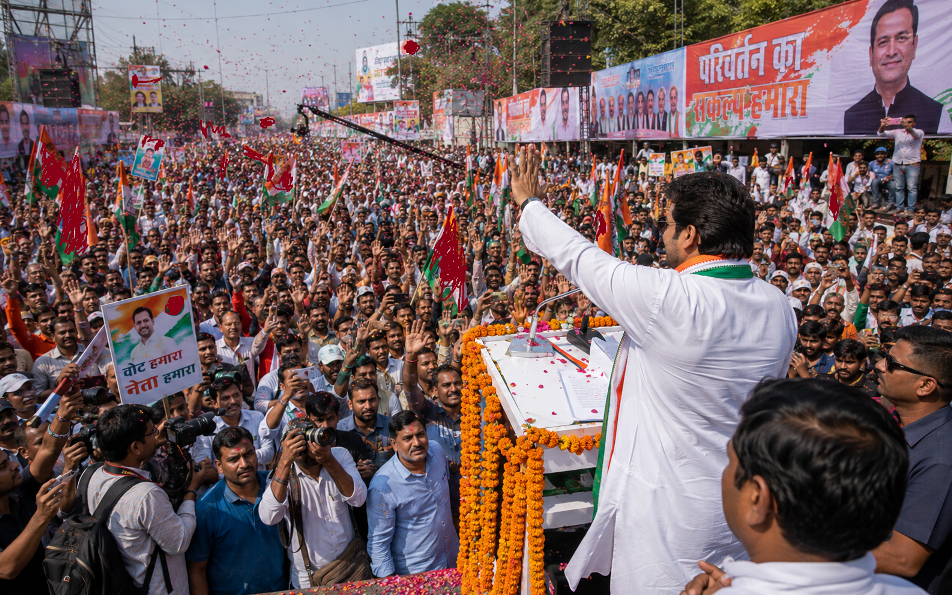
What Makes a Campaign Win or Lose
The important factor in any campaign - the difference between winning and losing - is what goes on inside the campaign. There are three types of political campaigns that have nearly no chance to achieve victory on Election Day due to their own internal failures:
- The campaign that does not have a persuasive message and does not know which voters it wants to persuade - it lacks direction from the beginning.
- The campaign that has a concise message and a clear idea of target voters but lacks a reasonable plan of what to do between now and Election Day - it wastes time, money and people.
- The campaign that spends more time reacting to outside factors than promoting its own agenda - distracted by opponents, press and daily events.
Our Campaign Strategy Process
'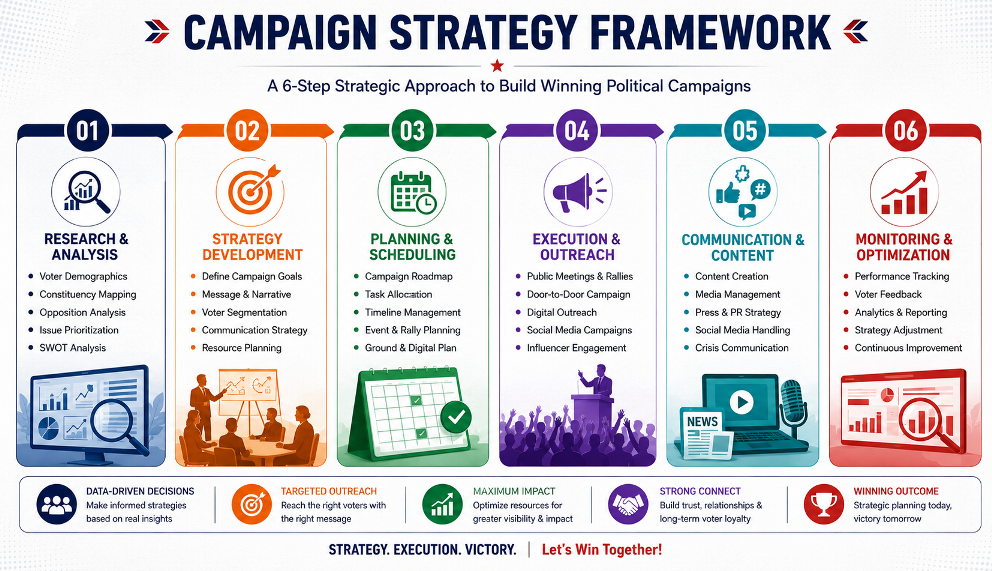
- Doing the research necessary to prepare for the campaign
- Setting a strategic campaign goal of how many votes are needed to win
- Analysing and targeting voters segment by segment
- Developing a campaign message that resonates
- Developing a voter contact plan across all touchpoints
- Implementing that plan with disciplined execution
Research: The Foundation
The first step must begin with a realistic assessment of the political landscape. There are a number of factors that should be understood as completely as possible before writing a campaign plan:
- What is the type of election and what are the rules?
- What are the characteristics of the district - terrain, transport, population?
- What has happened in past elections in this seat?
- What are the main factors affecting this specific election cycle?
- What are the strengths and weaknesses of the candidate?
- What are the strengths and weaknesses of all viable opponents?
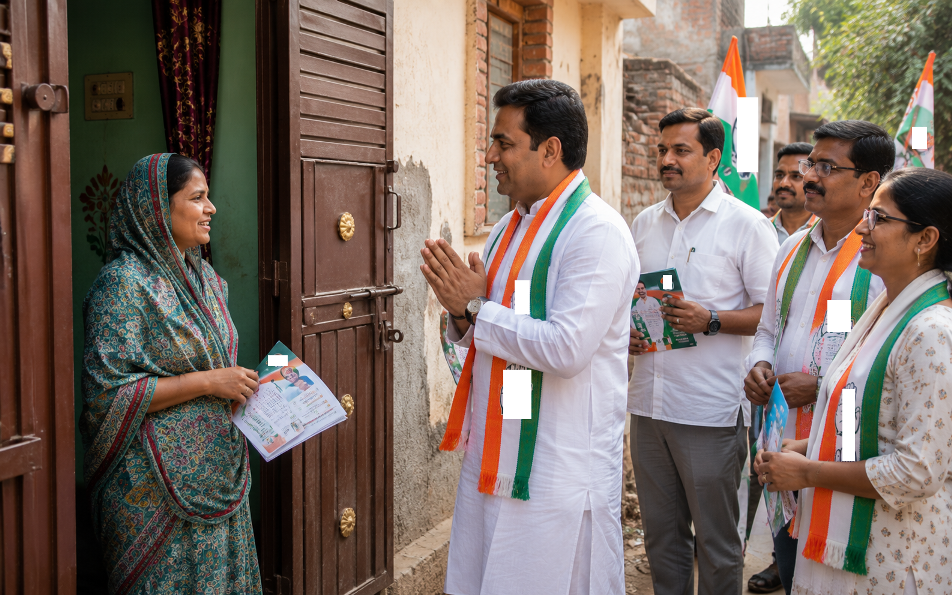
Understanding the Voters
You will need to break the voters in your district into manageable groups. This is the basis for developing a strategy for targeting particular voters. We examine income levels, education levels, professions, ethnic backgrounds, religious backgrounds, age, gender - and where people work, shop and spend time.
Understanding the Opponent
Once the candidate's strengths and weaknesses are determined, the next step is to repeat the process for opponents. Opposition research is not just about finding a single scandal - it is about finding patterns of behaviour that can be used to persuade voters. These contrasts become the message architecture of your campaign.
Voter Contact and Ground Execution
- Door-to-door and booth-level mobilisation cadre
- Large-scale rally and public event production
- Cadre training and consistent message briefing
- Campaign material creation and distribution
- Nukkad nataks, local events and community outreach
- Real-time monitoring and course correction
Team War Room helps to carry out all the above listed activities and manage the same through the War Room App. The percentage of winning increases when the election is well managed. War Room provides the best solution to manage and minimise the cost of any political campaign.
Ready to run a campaign that is disciplined from Day 1 to counting day?
Plan Your Campaign →